
Identifying the Source of Movement-Related Pain
Foot and lower limb biomechanical problems can cause pain not only in your feet, but also in your ankles, knees, hips and lower back. They can limit your activity levels, affect sports performance and make everyday tasks uncomfortable. Our lower limb and foot biomechanics assessment is designed to identify what’s causing your symptoms and create a targeted treatment plan to improve your comfort and function.
We commonly see:
- Heel pain and plantar fasciitis
- Arch pain (high or low arches/flat feet)
- Forefoot pain (including metatarsalgia, Morton’s neuroma)
- Ankle pain, instability or recurrent sprains
- Shin pain (including shin splints)
- Knee pain related to foot posture or gait
- Hip and lower back discomfort linked to foot mechanics
- Overuse injuries in runners and active individuals
What to Expect at Your Biomechanics Appointment
1. Detailed History and Non–Weight-Bearing Assessment
Your podiatrist will begin by:
- Taking a full medical, footwear, activity and injury history
- Asking when your symptoms began, what makes them better or worse and how they affect daily life or sport
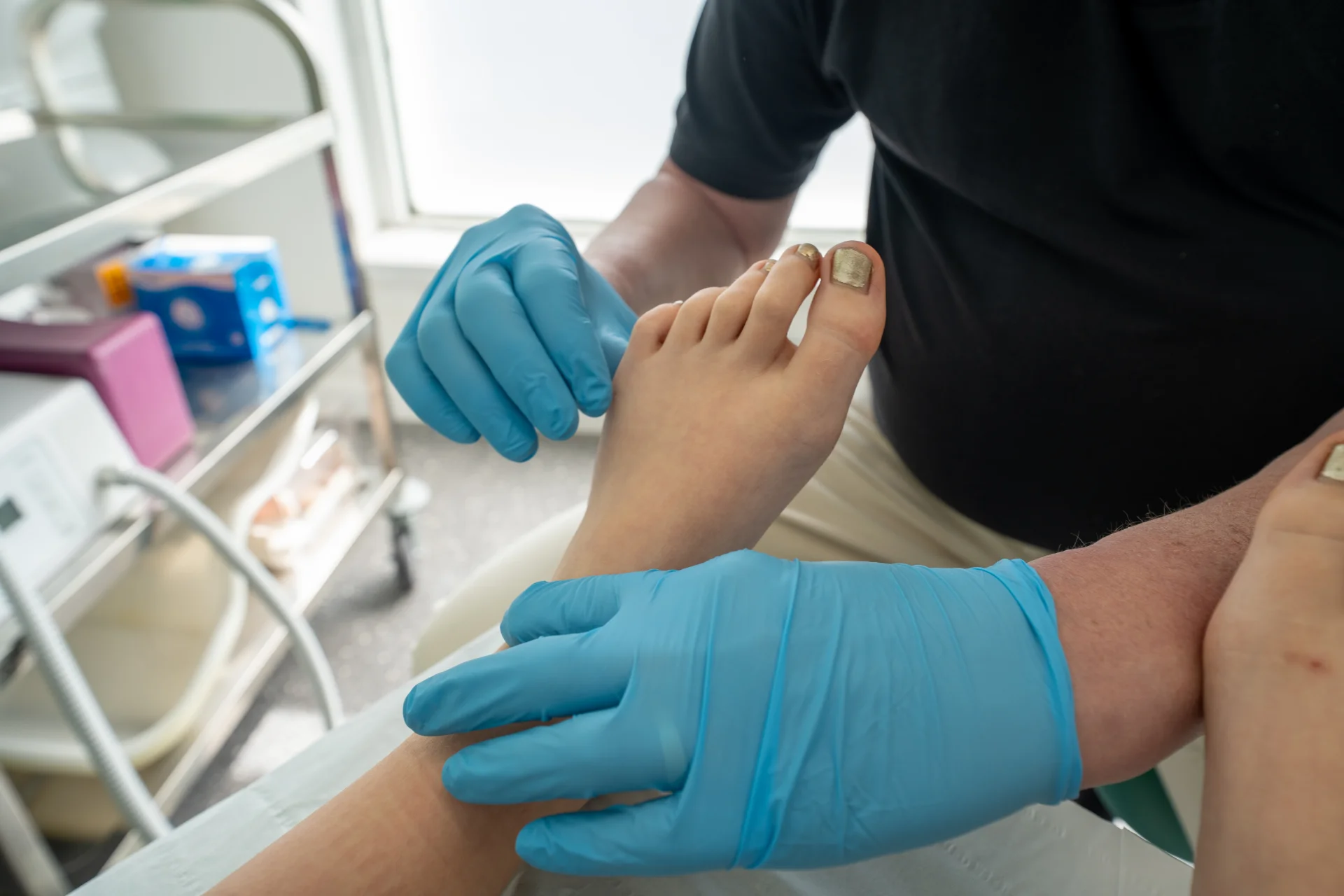
- Examining your feet, ankles, knees and lower limbs in a non–weight‑bearing position
- Assessing joint range of motion, muscle strength, flexibility and alignment
- Checking skin, nail condition and circulation where relevant
This helps us understand the underlying causes of your problem, not just where you feel the pain.
2. Gait Analysis with FootScan Pressure Plate
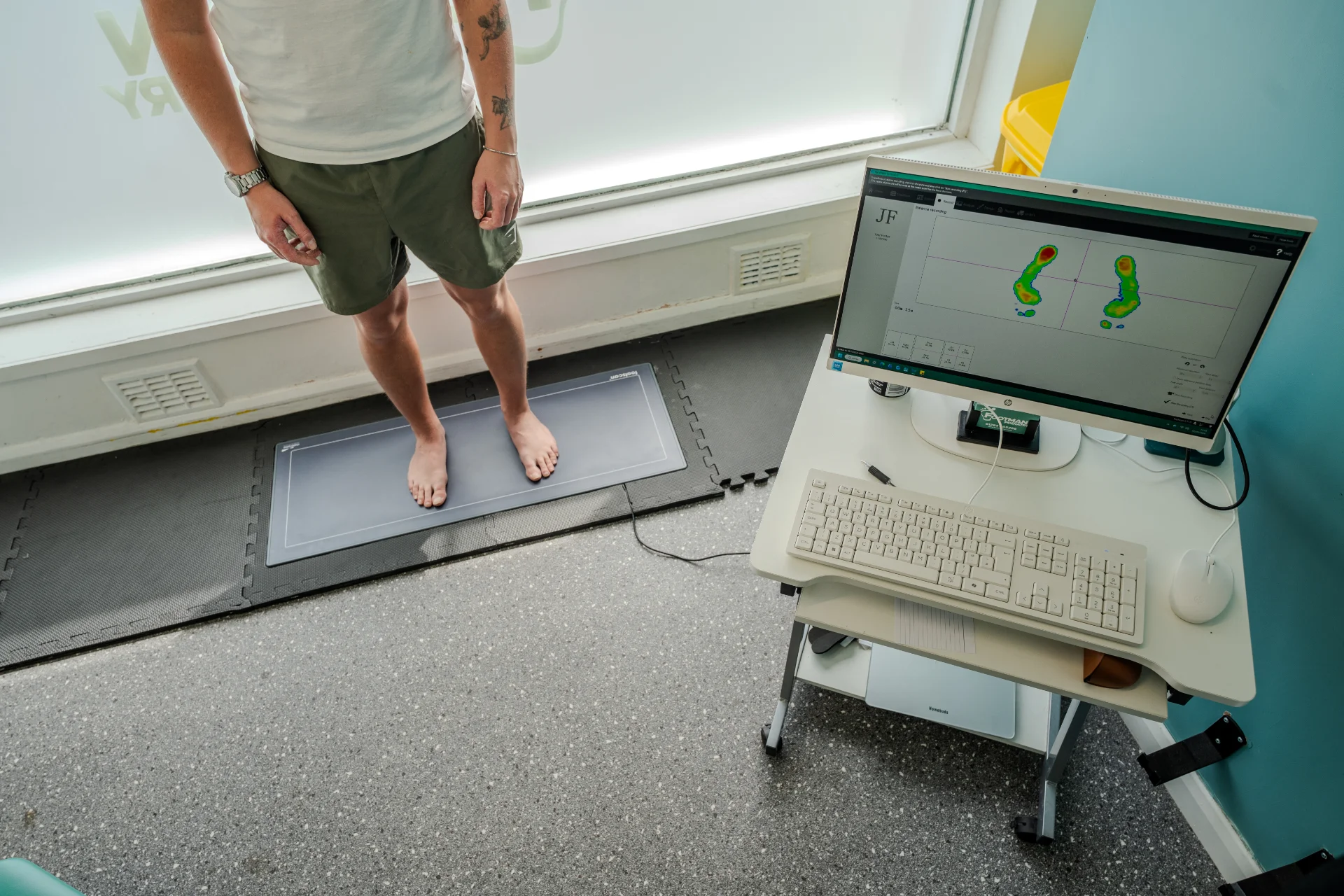
As standard, we will then carry out a gait analysis using our state‑of‑the‑art FootScan pressure plate system.
This involves:
- Walking over the pressure plate at your normal pace
- Recording how pressure moves through your feet from heel strike to toe‑off
- Capturing detailed images and data on how each part of your foot interacts with the ground
The FootScan system allows us to:
- See pressure hotspots and timing patterns not visible to the naked eye
- Identify asymmetries between your left and right side
- Understand how your foot posture and mechanics may be contributing to pain higher up the leg or back
3. Clear Diagnosis and Tailored Treatment Plan
Once the assessment and gait analysis are complete, we will:
- Explain in clear, understandable language what we have found
- Show you the FootScan images and highlight key areas of pressure or abnormal movement
- Provide a clear working diagnosis and discuss what this means for your activities and long‑term foot health
Together, we will then discuss the most appropriate treatment options, which may include:
- Exercise and rehabilitation programmes (strengthening, stretching, balance work)
- Insoles or custom orthotic devices based on your FootScan data
- Footwear advice for everyday use and sport
- Activity modification or training advice to reduce strain and prevent recurrence
- Steroid injections for suitable conditions, where indicated, to help manage inflammation and pain
- Other evidence‑based interventions tailored to your specific needs
You will be fully involved in every decision, and we will work with you to create a treatment plan that fits your goals, lifestyle and activity level.
Whether you are dealing with persistent pain, recovering from an injury or looking to optimise your performance, our biomechanics assessment aims to provide a clear explanation of your problem and a practical, personalised plan to help you move more comfortably and confidently. To book the above, please book ‘(MSK) Biomechanics Assessment – Foot & Ankle Pain’ appointment type.